📊 PTSD in the UK – Key Statistics and Access to Help
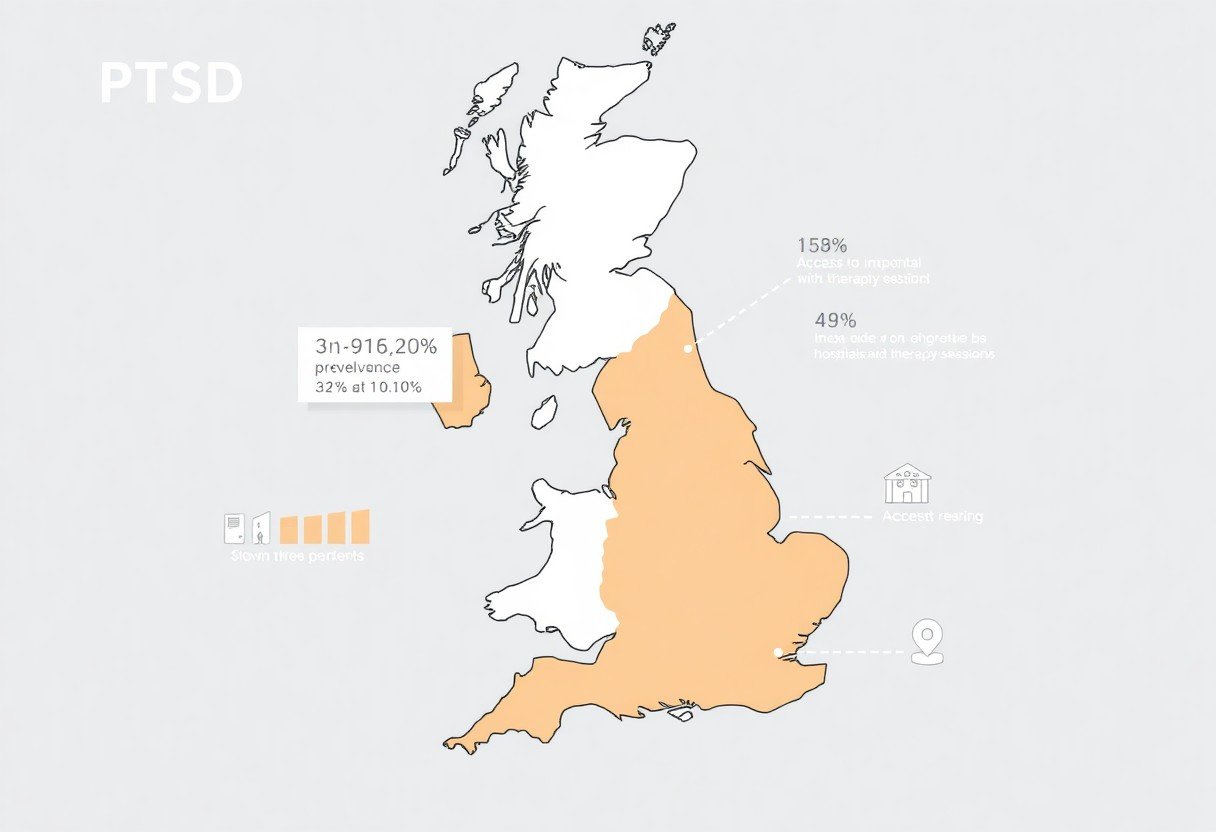
PTSD in the UK Stats and Support: Statistics show that one in three individuals who experience trauma will develop post-traumatic stress disorder (PTSD), highlighting its prevalence in the UK. You may be surprised to learn that approximately 4% of the population currently suffers from PTSD. Access to help is necessary, as early intervention can significantly improve outcomes. This post will provide you with key statistics and insights into available resources, enabling you to understand better PTSD and how to seek assistance when needed.
PTSD in the UK Stats and Support: Key Takeaways:
- Approximately 1 in 13 people in the UK may experience PTSD at some point in their lives.
- Women are statistically more likely to develop PTSD than men, often due to experiences such as sexual violence.
- Common symptoms include flashbacks, nightmares, and severe anxiety, impacting daily life.
- Access to mental health services is necessary, yet many individuals face barriers such as long waiting times.
- Early intervention and therapy, such as cognitive behavioural therapy, can significantly improve outcomes.
- Support from family and friends plays a vital role in recovery for those with PTSD.
- Raising awareness and reducing stigma are essential for encouraging individuals to seek help.
The Alarming Prevalence of PTSD in the UK
Your awareness of post-traumatic stress disorder (PTSD) in the UK is necessary, given its rising prevalence. Approximately 4.4% of adults experience PTSD at some point in their lives, a figure which translates to nearly 1.3 million individuals. Furthermore, the ongoing impact of traumatic events such as crime, accidents, and military experiences can lead to increased rates of diagnosis, highlighting the urgency for accessible support services.
Statistical Insights into PTSD Cases
Statistics reveal that roughly 9% of veterans and up to 20% of those who have experienced severe trauma may develop PTSD. Alarmingly, in the aftermath of the COVID-19 pandemic, mental health surveys indicated a significant rise in PTSD symptoms, with increased rates reported across various demographics and sectors of society.
Demographic Breakdowns and Variability
Demographic analysis shows variability in PTSD prevalence rates among demographic groups. Women are statistically more likely to develop PTSD than men, with rates of 10.4% compared to 5% respectively. Younger adults, particularly those aged 18 to 24, also report higher levels of PTSD symptoms, further exacerbated by factors such as socioeconomic status and previous mental health conditions.
Your understanding of demographic breakdowns can inform targeted interventions, enabling more effective responses. Notably, women consistently report higher PTSD rates, often attributed to experiences such as sexual violence and domestic abuse. In contrast, younger adults display significant susceptibility due to factors like digital exposure to trauma and social pressures. Certain ethnic minorities may also experience disproportionately higher PTSD rates, necessitating culturally sensitive approaches in mental health services. These insights underscore the importance of providing tailored support to meet the diverse needs of various populations across the UK.
The Underlying Causes and Risk Factors
Understanding the underlying causes and risk factors contributing to PTSD is vital for effective intervention. Key factors include exposure to traumatic events, a history of mental health issues, and genetic predisposition. Your environment, including social support and economic conditions, also plays a significant role. Often, personal resilience and coping mechanisms determine your vulnerability to developing PTSD. Any recognition of these factors can aid in early intervention and recovery.
Major Trauma Events and Their Impact
Major trauma events such as military combat, sexual assault, and natural disasters can leave lasting impacts on individuals. These experiences can trigger intense feelings of fear, helplessness, and horror, which are at the core of PTSD. Your response to trauma can vary significantly based on personal history and current circumstances, influencing how you process the event. Subsequent psychological effects often complicate daily functioning and relationships.
The Role of Mental Health Stigma
Mental health stigma remains a substantial barrier to seeking help for PTSD. Negative perceptions associated with mental illness can lead to feelings of shame and isolation. You may hesitate to discuss symptoms or seek treatment due to fear of judgment from others. This stigma can be damaging, preventing timely access to necessary support and resources, ultimately worsening your condition.
Many individuals grapple with the perception that seeking help reflects weakness or failure. In a society that often prizes resilience, being open about mental health struggles can feel daunting. This stigma disrupts not only personal healing but also society’s understanding of mental health issues, resulting in a lack of widespread support. Efforts to normalise mental health conversations are vital for you to feel comfortable addressing PTSD and accessing the help you deserve.
Accessibility of Mental Health Services
Your access to mental health services, particularly for PTSD, is often influenced by various factors, including geography and funding. Waiting times can exceed 18 weeks for NHS therapy appointments, while private options may not be financially feasible for everyone. With increasing awareness of PTSD, organisations are striving to improve accessibility, yet systemic issues persist, restricting timely and effective support for many individuals across the UK.
Current Landscape of PTSD Support
The current landscape features a mix of NHS resources and charitable organisations offering support. Initiatives such as the Veterans’ Mental Health Transition, Intervention and Liaison Service are in place, providing specialised care for those affected. However, limited availability and varying quality of services can create disparities in the support you receive, depending on your location and situation.
Barriers to Treatment and Support for Affected Individuals
Numerous barriers exist when seeking treatment for PTSD, including stigma, long waiting lists, and a lack of awareness about available resources. Victims may hesitate to seek help due to fear of judgment or not knowing where to turn for appropriate support, which can significantly prolong their suffering.
The stigma surrounding mental health in general can prevent you from reaching out for help, fearing societal judgment. A substantial 30% of individuals with PTSD report feeling ashamed or embarrassed about their condition. Additionally, logistical challenges, such as a lack of transportation or insufficient availability of local services, can deter you from seeking timely treatment. Furthermore, information about support services may be inadequate or unrecognised, leaving you unaware of potentially life-changing resources. These combined factors create a landscape where navigating the path to recovery can be overwhelming and frustrating.
Innovative Approaches to Healing
Emerging methods for healing PTSD focus on holistic and integrative techniques. Trauma-sensitive yoga, mindfulness practices, and art therapy are gaining traction, providing new avenues for relief. These approaches encourage you to engage both your body and mind, fostering a deeper connection to yourself and facilitating the processing of traumatic experiences in a safe environment.
Emerging Therapies and Their Effectiveness
Recent studies indicate that therapies such as Eye Movement Desensitisation and Reprocessing (EMDR) and Virtual Reality Exposure Therapy (VRET) show promising results in treating PTSD. Many individuals report significant reductions in symptoms, often achieving results more quickly than with traditional talk therapies, thereby enhancing their overall recovery experiences.
Community Support Initiatives and Resources
Community initiatives play a vital role in supporting individuals with PTSD, offering resources such as support groups, workshops, and outreach programmes. These networks provide a sense of belonging and understanding, imperative for recovery. They also foster connections with peers who share similar experiences, significantly improving your mental health landscape.
Local organisations often implement community support initiatives tailored to specific populations, such as veterans or survivors of trauma, ensuring that your unique needs are met. Through peer support groups, you can share experiences and coping strategies, while workshops may focus on skills like stress management and resilience-building. Furthermore, many initiatives collaborate with mental health professionals, offering access to resources for therapy and counselling at reduced costs or even for free. Engaging in these community programmes not only helps on your healing journey but also strengthens social bonds, contributing to your overall well-being.
The Power of Advocacy and Awareness
Advocacy plays a significant role in changing perceptions and improving access to mental health services for PTSD. Awareness campaigns empower you to understand the complexities of trauma and promote empathy towards those affected. By creating open discussions, these efforts dismantle the stigma often associated with mental health issues, encouraging more individuals to seek help.
Campaigns Making a Difference in the UK
Various campaigns, such as “Time to Change” and “Mental Health Awareness Week,” have been pivotal in increasing recognition of PTSD and mental health challenges. These initiatives provide platforms for sharing personal stories and fostering a sense of community among survivors. They encourage you to engage with mental health topics, which helps to normalise conversations around trauma support and recovery.
How Public Perception is Shifting
Public perception of PTSD and mental health has witnessed a transformative shift in the UK. Increasingly, you may find that discussions around trauma are more accepted, and there’s a growing understanding that mental health is just as critical as physical health. The rise of high-profile figures sharing their experiences plays a vital role in this change, contributing to a landscape where seeking help is actively encouraged rather than frowned upon.
Several factors contribute to this evolving viewpoint, including heightened media coverage and educational outreach programmes that inform you about the realities of PTSD. The portrayal of mental health in television and literature is becoming more nuanced, showcasing the struggles and successes of individuals, which helps eliminate misconceptions. Partnerships between mental health organisations and community groups have also improved outreach efforts, ensuring that you have the resources and understanding necessary to seek help. Overall, the ongoing dialogue has opened pathways for numerous individuals to pursue support without fear of judgment.
To wrap up
Presently, understanding PTSD in the UK is vital for recognising its impact on your life and those around you. The statistics on prevalence and accessibility to support highlight the importance of seeking help when needed. You have various resources at your disposal, from NHS services to charitable organisations, ensuring that no one has to face this condition alone. Being informed empowers you to take proactive steps towards your mental well-being.
FAQ
Q: What is the prevalence of PTSD in the UK?
A: The prevalence of PTSD in the UK is estimated to be around 4% of the population at any given time, with higher rates observed in specific groups such as military veterans and individuals who have experienced trauma.
Q: What are the primary causes of PTSD in the UK?
A: Primary causes of PTSD in the UK include experiences such as combat, sexual assault, serious accidents, natural disasters, and witnessing traumatic events. These experiences can lead to the development of PTSD in affected individuals.
Q: How can individuals access help for PTSD in the UK?
A: Individuals can access help for PTSD in the UK through the National Health Service (NHS), private therapy services, charities such as Mind or Combat Stress, and support groups tailored explicitly for trauma survivors.
Q: What treatments are available for PTSD in the UK?
A: Treatments for PTSD in the UK include cognitive behavioural therapy (CBT), eye movement desensitisation and reprocessing (EMDR), medication such as antidepressants, and support from mental health professionals and peer support networks.
Q: What are the signs and symptoms of PTSD?
A: Signs and symptoms of PTSD can include intrusive memories or flashbacks of the traumatic event, avoidance of reminders of the trauma, negative changes in mood or thought patterns, and heightened arousal such as insomnia or irritability.