Complex PTSD vs PTSD – What’s the Difference?
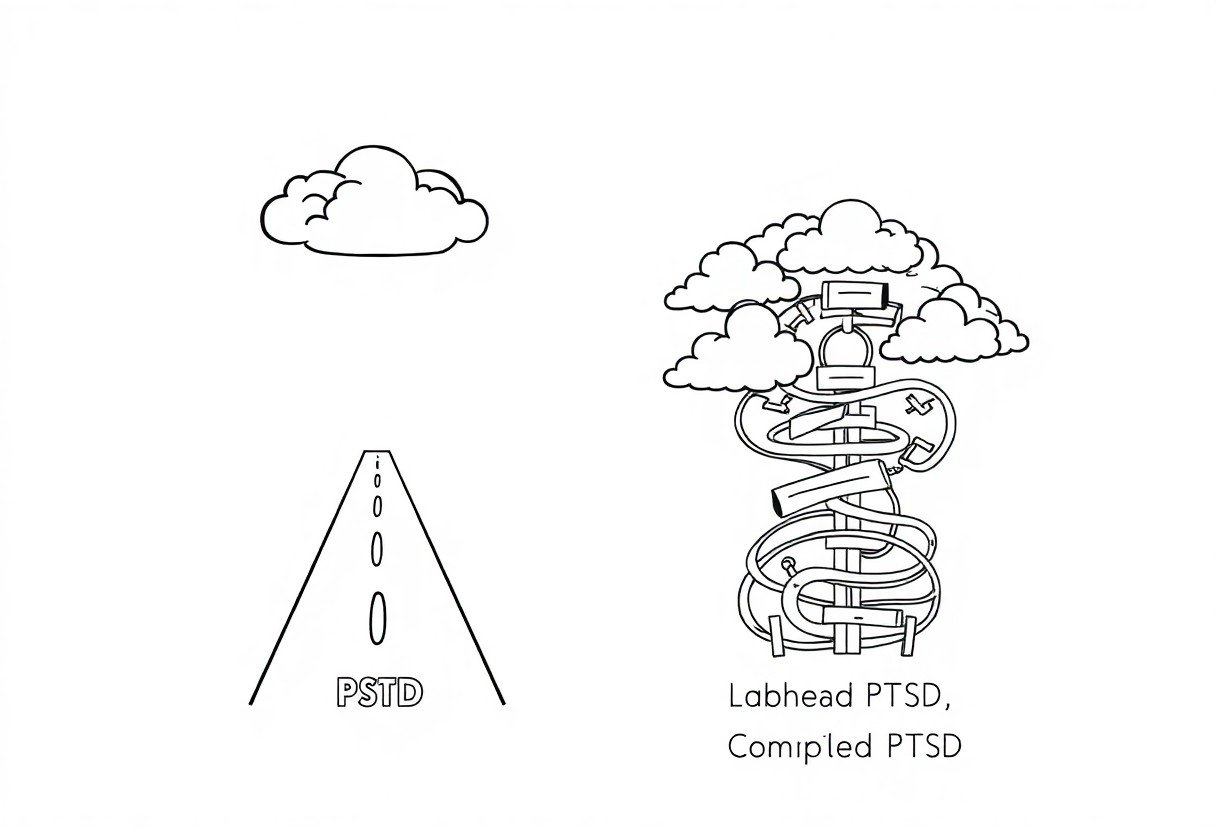
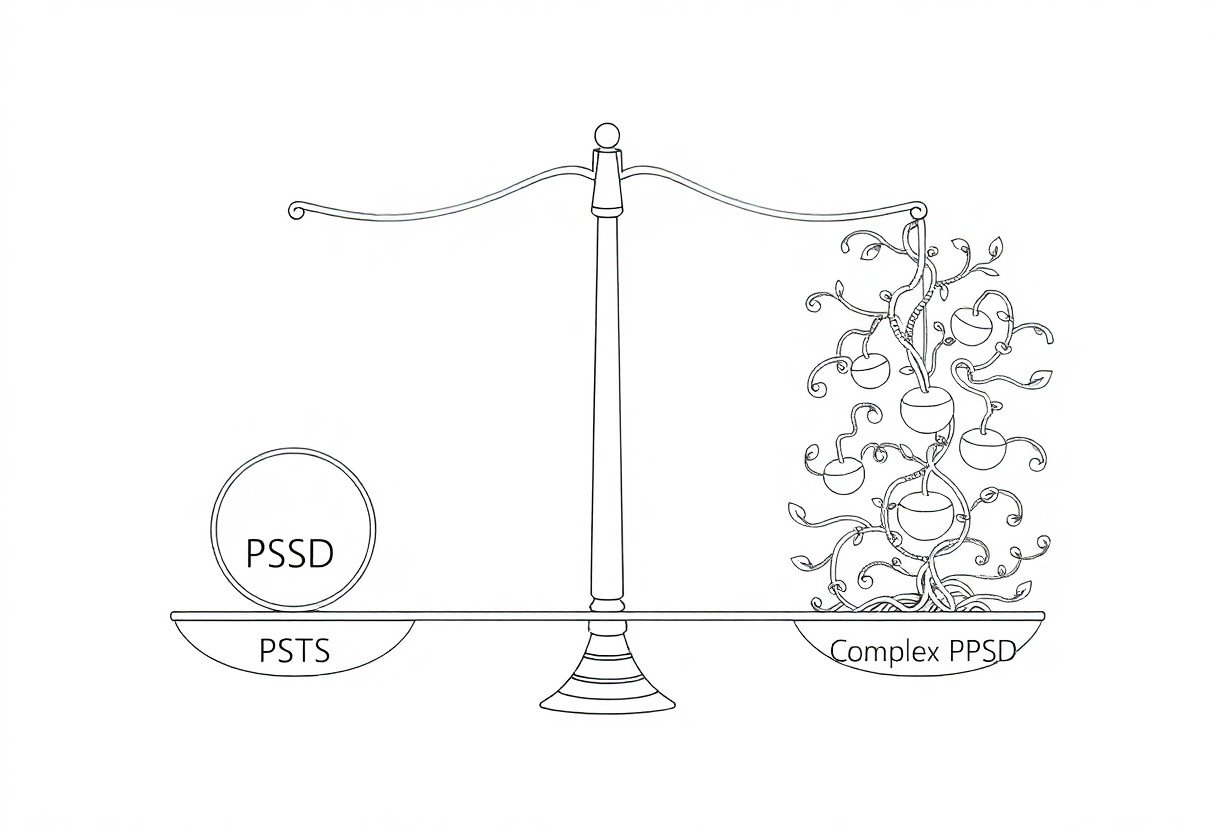
Just understanding the difference between Complex PTSD and PTSD can significantly impact your healing process. PTSD typically arises from a single traumatic event, whereas Complex PTSD is a result of prolonged exposure to trauma, often in interpersonal contexts. This means you may experience persistent feelings of hopelessness, difficulties in relationships, and emotional dysregulation if you have Complex PTSD. Both conditions can lead to serious mental health challenges, but recognising these distinctions is vital for effectively seeking support and treatment tailored to your needs.
Key Takeaways:
- PTSD often arises from a single traumatic event, while complex PTSD stems from prolonged, repeated trauma.
- Complex PTSD includes additional symptoms such as difficulties in emotional regulation and interpersonal relationships.
- PTSD symptoms may manifest shortly after the trauma, whereas complex PTSD symptoms can develop over years.
- Diagnostic criteria for PTSD are outlined in standard manuals, whereas complex PTSD is less formally recognised.
- Complex PTSD can lead to chronic feelings of hopelessness and low self-esteem, not typically seen in standard PTSD.
- Treatment approaches may differ, with complex PTSD often requiring more extensive therapeutic interventions.
- Understanding the distinction is vital for effective support and treatment strategies for affected individuals.
The Roots of Trauma: Differentiating PTSD and Complex PTSD
A Closer Look at PTSD
PTSD is often the result of a single traumatic event, leading to symptoms such as flashbacks, severe anxiety, and uncontrollable thoughts about the incident. You might find triggers in daily life that transport you back to that moment, making it difficult to cope. This condition can arise from various experiences, including accidents, natural disasters, or violent assaults, impacting your emotional and psychological well-being in profound ways.
The Nuances of Complex PTSD
Complex PTSD differs markedly, as it typically stems from prolonged, repeated trauma, often occurring in situations where escape is difficult, such as childhood abuse or domestic violence. Your emotional responses may be more complex, leading to difficulties in regulating emotions, feelings of hopelessness, and a fractured sense of identity. This form of trauma often manifests in a greater spectrum of symptoms, deeply affecting your relationships and sense of self.
Complex PTSD involves a myriad of symptoms that extend beyond what you might experience with PTSD. Alongside dissociation and emotional dysregulation, you could face persistent feelings of shame, guilt, or disconnection from those around you. The variances in your experiences can lead to chronic feelings of emptiness or the belief that you are fundamentally flawed. Understanding this complexity not only aids in recognising your struggles but also opens pathways to tailored therapeutic approaches that address your specific needs.
Symptoms in Focus: The Divergence of Experiences
Understanding the distinction in symptoms between PTSD and Complex PTSD enhances clarity for those affected. While PTSD typically results from a single traumatic incident, your experiences with Complex PTSD may involve prolonged trauma, leading to a more intricate web of symptoms. You may notice overlapping signs, but the additional complexities of emotional regulation and relationships set Complex PTSD apart, requiring a nuanced approach to healing.
Core Symptoms of PTSD
PTSD symptoms often manifest as intrusive memories, avoidance behaviours, and heightened arousal. You may experience flashbacks, nightmares, and increased anxiety. This response is your body’s way of coping, reflecting the trauma’s lasting imprint. Physical reactions such as increased heart rate or sweating can occur when confronting reminders of the trauma.
The Extended Impact of Complex PTSD
Complex PTSD casts a broader net, affecting your emotional landscape and interpersonal dynamics. You might grapple with persistent feelings of shame, guilt, and a fractured sense of self, arising from numerous traumatic events. Such prolonged exposure can lead to difficulties in forming healthy relationships and managing emotions, resulting in patterns of dissociation and self-destructive behaviour. The sense of hopelessness and emptiness you feel may stem from repeated trauma, making recovery more complex.
As you navigate the extended effects of Complex PTSD, it becomes apparent that your emotional responses may differ significantly from those of someone with conventional PTSD. You might find it challenging to regulate emotions or experience chronic feelings of emptiness and detachment. Symptoms like identity struggles and the sensation of being disconnected from reality often accompany your journey, requiring targeted therapeutic interventions to address these multifaceted issues effectively. Understanding these nuances allows for a tailored approach to recovery, which is vital for long-term healing.
The Psychology Behind the Disorders: Understanding the Mechanisms
Your understanding of PTSD and Complex PTSD must encompass the psychological mechanisms at play. Both disorders emerge from the brain’s response to trauma, leading to maladaptive stress responses. Neurobiological changes, particularly in the amygdala and hippocampus, influence emotional regulation and memory processing. Consequently, you may struggle with intrusive thoughts, emotional numbing, and hypervigilance, which can distress your daily life.
How PTSD Manifests in Individuals
In individuals with PTSD, symptoms can vary widely but often include recurrent flashbacks, severe anxiety, and uncontrollable thoughts about the trauma. You might avoid reminders of the trauma, leading to isolation and changes in mood or cognition. These phenomena can significantly disrupt your ability to function normally in social and occupational settings.
The Compounding Factors of Complex PTSD
Complex PTSD can stem from prolonged exposure to trauma, commonly in contexts such as childhood abuse or ongoing domestic violence. This condition is marked by additional symptoms like dissociation, identity disturbances, and chronic feelings of hopelessness. You might find that your emotional responses are heightened or blunted, impacting your interpersonal relationships and overall well-being.
Complex PTSD is further complicated by factors such as neglect, poor support systems, and co-occurring mental health conditions. Psychological resilience can be diminished when trauma is chronic or repeated, leading to difficulties in establishing trust and safety. After addressing these compounding factors, you may better understand your emotional struggles and seek effective interventions.
- neglect
- poor support systems
- co-occurring mental health conditions
Pathways to Recovery: Tailored Approaches for Each Disorder
Recovery from PTSD and Complex PTSD requires a nuanced approach, recognising the distinct challenges posed by each disorder. Tailored interventions can significantly enhance your healing process, combining traditional therapies and specialised methods that cater to your individual symptoms and experiences. Customising your treatment allows healthcare professionals to address your unique history and trauma, paving the way for more effective recovery.
Traditional Treatments for PTSD
Conventional therapies for PTSD often include Cognitive Behavioural Therapy (CBT), exposure therapy, and medication such as SSRIs. These approaches focus on reshaping your thoughts and behaviours related to trauma, reducing the distress caused by reminders of the event. With consistent sessions, many individuals report significant reductions in their symptoms, allowing for a gradual return to normalcy.
Specialised Therapies for Complex PTSD
Complex PTSD benefits from specialised therapeutic approaches that address the prolonged exposure to trauma and its emotional ramifications. Techniques such as Eye Movement Desensitisation and Reprocessing (EMDR), Dialectical Behaviour Therapy (DBT), and somatic therapies are employed to help you integrate traumatic memories into your narrative and manage overwhelming emotions effectively.
Specialised therapies for Complex PTSD are designed to tackle the layered nature of your experiences. For instance, EMDR facilitates processing distressing memories through guided eye movements, helping you to reframe these experiences. DBT focuses on enhancing emotional regulation and interpersonal effectiveness, particularly valuable in navigating relationships strained by trauma. Additionally, somatic therapies engage your body in the healing process, enabling you to release trauma stored in physical sensations. Such targeted methods empower you to rebuild your sense of self and foster resilience amidst the complexities of your recovery journey.
The Importance of Awareness: Recognising and Responding
Awareness is necessary for navigating the complexities of PTSD and Complex PTSD. Recognising the symptoms, such as hyperarousal, avoidance, and emotional numbness, enables individuals to seek appropriate help and interventions early on. This not only improves your personal understanding but also fosters a supportive environment for recovery. Learning about the triggers and the often-hidden impact of trauma can empower you to respond effectively, both in yourself and in those around you.
The Role of Family and Friends
Family and friends play a pivotal role in your recovery journey from PTSD or Complex PTSD. Their understanding and support can significantly influence your healing process. Open communication about your experiences allows them to provide the appropriate emotional support, while their awareness of your triggers helps create a safer space for you to express yourself. This supportive network can alleviate feelings of isolation, reminding you that you are not alone in this struggle.
Advocacy and Educational Initiatives
Advocacy and educational initiatives are vital in raising awareness about PTSD and Complex PTSD. These programmes aim to inform the public and healthcare professionals about the nuances of trauma-related disorders, reducing stigma and promoting empathy. By engaging in community-based efforts, you can help spread knowledge that fosters understanding and encourages others to seek help.
Advocacy efforts often include workshops, seminars, and campaigns that educate people about the signs and symptoms of PTSD and Complex PTSD. For instance, organisations such as the National Centre for PTSD offer resources that aim to inform both the general public and professionals. Participation in such initiatives not only amplifies the voices of those affected but also creates informed communities that are more capable of recognising and addressing these silent struggles, paving the way for better recovery outcomes.
To wrap up
With this in mind, understanding the distinction between Complex PTSD and PTSD is vital for recognising your symptoms and seeking appropriate support. While PTSD typically stems from a singular traumatic event, Complex PTSD arises from prolonged, repeated trauma, often during formative years. You may notice that the symptoms of Complex PTSD, such as emotional dysregulation and relationship issues, may differ from those associated with traditional PTSD. Acknowledging these differences can aid in your recovery journey and enhance your overall well-being.
FAQ
Q: What is the main difference between Complex PTSD and PTSD?
A: The main difference lies in the nature and duration of the trauma experienced. PTSD typically arises from a single traumatic event, while Complex PTSD develops from prolonged or repeated trauma, often involving interpersonal relationships.
Q: What are the symptoms of Complex PTSD compared to PTSD?
A: Complex PTSD includes symptoms similar to PTSD—such as flashbacks and nightmares—but also features additional symptoms like difficulties in emotional regulation, feelings of hopelessness, and problems with interpersonal relationships.
Q: How is Complex PTSD diagnosed?
A: Diagnosis involves clinical assessment by a mental health professional, focusing on a patient’s symptom history, trauma exposure, and the specific criteria set out in classification manuals such as the ICD-11.
Q: Can Complex PTSD occur in children?
A: Yes, children can develop Complex PTSD, particularly if they experience chronic trauma, such as ongoing abuse or neglect, which can significantly impact their emotional and psychological development.
Q: What treatment options are available for Complex PTSD?
A: Treatment may involve a combination of psychotherapy, such as trauma-informed care or EMDR, and medication to manage symptoms. Support groups and self-care strategies are also beneficial in the healing process.