Dispelling Schizophrenia Myths – What It Really Is
It’s necessary to understand the realities of schizophrenia, as many prevalent myths can lead to misunderstanding and stigma. You might think that schizophrenia means having multiple personalities, but in fact, it is a complex mental health condition marked by distorted thinking, emotional disruptions, and perceptual challenges. By dispelling these myths, you can better support those affected and foster a more accurate view of mental health.
Key Takeaways:
- Schizophrenia is a complex mental disorder, not a split personality or multiple identities.
- It affects how a person thinks, feels, and behaves, often presenting symptoms such as delusions and hallucinations.
- Schizophrenia does not stem from personal weakness or poor upbringing; it has biological, genetic, and environmental contributors.
- People with schizophrenia can lead fulfilling lives with appropriate treatment, including therapy and medication.
- Stigma surrounding schizophrenia hinders understanding and support, making education imperative for societal acceptance.
Unmasking the Reality of Schizophrenia
Understanding schizophrenia requires peeling back the layers of misconceptions surrounding the disorder. While mainstream media often portrays individuals with schizophrenia as violent or unpredictable, the reality is markedly different. Most individuals living with schizophrenia are not a danger to others; rather, they are more likely to be victims of violence. Educating yourself on the true nature of this illness fosters empathy and supports a more informed dialogue that can lead to better treatment and support for those affected.
Defining Schizophrenia: Facts Over Myths
Schizophrenia is characterised by disturbances in thought, perception, and behaviour, manifesting typically in the late teens to early adulthood. Contrary to common beliefs, it does not imply a “split” personality; instead, it often results in hallucinations and delusions that can complicate your grasp of reality. Understanding these facts rather than myths helps in reducing stigma and supporting those affected.
The Neurobiological Basis of Schizophrenia
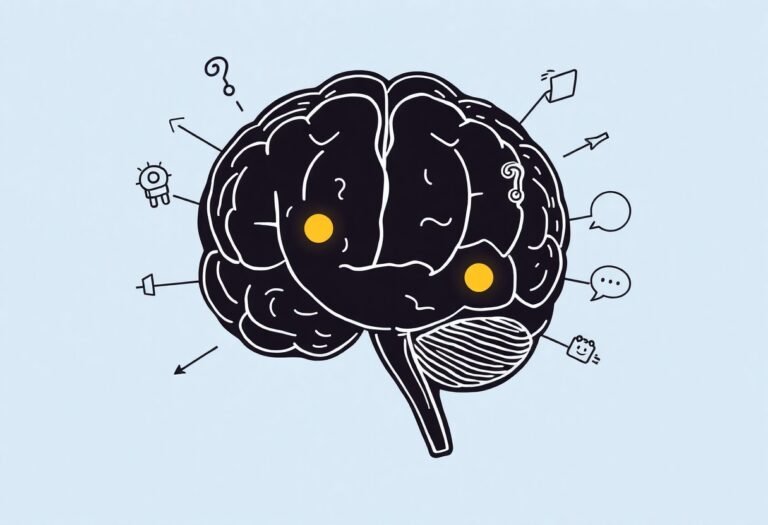
Schizophrenia involves complex interactions within the brain’s neurochemistry, primarily involving neurotransmitters such as dopamine and glutamate. This imbalance can affect mood, perception, and cognition, leading to symptoms significantly impacting daily functioning.
Research highlights that structural abnormalities in the brain, such as enlarged ventricles and reduced grey matter in specific areas, are commonly observed in individuals with schizophrenia. Additionally, genetic factors also play a vital role; having a first-degree relative increases your risk of developing the disorder to about 10% compared to 1% in the general population. Understanding the neurobiological underpinnings aids in demystifying the disorder and emphasising its legitimacy as a mental health condition requiring proper medical intervention.
Debunking Common Misconceptions
Myths surrounding schizophrenia often perpetuate misunderstanding and stigma. Many people hold erroneous beliefs that can influence perceptions and treatment of those affected. Addressing these misconceptions can help create a more informed and compassionate society, allowing those with schizophrenia to seek the help they need without fear of judgement.
Schizophrenia: A Personality Disorder or Not?
Schizophrenia is not a personality disorder; it is classified as a severe mental health condition that affects how you think, feel, and behave. While personality disorders primarily involve enduring patterns of behaviour and inner experiences, schizophrenia is characterised by psychotic symptoms, including hallucinations and delusions, significantly impacting your daily functioning.
The Link Between Violence and Schizophrenia: Separating Fact from Fiction
The belief that individuals with schizophrenia are inherently violent is largely unfounded. Most people with this condition are more likely to be victims of violence rather than perpetrators. Research indicates that only a small percentage engage in violent behaviour, often due to untreated symptoms or co-occurring substance use disorders.
Statistics from various studies reveal that approximately 3-5% of violent acts can be attributed to individuals with schizophrenia. Factors contributing to violence include substance abuse and social isolation rather than the disorder itself. Promoting understanding and empathy can reduce stigma and foster a more supportive environment for those living with schizophrenia.
Living with Schizophrenia: Perspectives and Experiences
For those navigating life with schizophrenia, the journey can be fraught with challenges yet filled with unique insights. Your experience is often characterised by managing symptoms while striving for personal goals and maintaining relationships. Each individual’s journey varies; some may find stability through medication and therapy, while others face persistent hurdles. Nonetheless, shared stories highlight resilience and the fight for a fulfilling life amidst the complexities of the illness.
Voices from the Inside: Personal Narratives
Your story, alongside others with schizophrenia, sheds light on the intricacies of daily living. Personal narratives reveal the profound impact of mental health on relationships, careers, and self-identity. By sharing experiences, you contribute to a more nuanced understanding of living with this condition, breaking down preconceived notions and fostering empathy.
The Stigma Spectrum: Social Perceptions and Their Impact
Societal perceptions significantly affect your experience. Stigma surrounding schizophrenia often leads to discrimination, limiting opportunities in education and employment. Such negative views can exacerbate feelings of isolation and helplessness, making recovery an uphill battle. You may encounter both overt and subtle forms of bias, which can hinder the pursuit of normalcy and acceptance in social circles.
Stigma manifests in various forms, from derogatory language to outright exclusion. Statistics show that nearly 70% of people with schizophrenia face discrimination in their daily lives. This can create a vicious cycle where the fear of being stereotyped prevents you from seeking help, resulting in worsening symptoms and increasing social withdrawal. Challenging these misconceptions is necessary for fostering an inclusive environment where individuals with schizophrenia can thrive without fear of judgement or exclusion.
Innovative Treatments and Approaches
Emerging treatments for schizophrenia reflect a shift towards personalised care that addresses the unique needs of each individual. These approaches incorporate not only advanced pharmacological options but also innovative therapeutic techniques, integrating neuroscience and psychological principles. This multidimensional focus aims to enhance quality of life and optimise outcomes for those living with the disorder.
Advances in Medication: What You Need to Know
Recent developments in medication for schizophrenia have introduced long-acting injectable antipsychotics, which significantly improve adherence by reducing the frequency of doses required. Additionally, novel compounds targeting specific neurotransmitter systems hold promise for fewer side effects and better management of symptoms. Understanding these options equips you to make informed choices about your treatment plan.
Therapeutic Strategies: Beyond Pharmacology
Effective treatment extends well beyond medications, incorporating psychosocial interventions that enhance coping skills and re-establish social connections. Tailored therapies, such as cognitive behavioural therapy (CBT), focus on challenging unhelpful thought patterns, while family therapy engages loved ones in the recovery journey. Programs that emphasise psychoeducation equip you with knowledge about the disorder, fostering active participation in your treatment.
Working alongside medications, therapeutic strategies can significantly enhance your overall wellbeing. For instance, cognitive remediation therapy has been shown to improve cognitive functioning, paving the way for better daily functioning and social interaction. Furthermore, mindfulness-based approaches assist in managing stress and improving emotional regulation, providing you with practical tools to navigate daily challenges. The integration of these methods into your treatment plan can lead to a more holistic recovery experience.
Building a Supportive Network
Creating a robust support network significantly enhances recovery from schizophrenia. Engaging with individuals who understand the complexities of your condition offers not just emotional sustenance but also practical assistance. This network can comprise family, friends, mental health professionals, and support groups, all of whom can provide unique perspectives and encouraging connections. Actively nurturing these relationships fosters a sense of belonging and reduces feelings of isolation, ultimately facilitating a more successful recovery journey.
The Role of Family and Friends in Recovery
Your family and friends play a vital role in your recovery process. Their support can range from providing a listening ear to actively participating in treatment decisions. An understanding and informed family can help reduce stigma while also assisting in recognising early warning signs of a relapse. By fostering open communication, you can ensure that those close to you are equipped to support your mental health needs effectively.
Community Resources: Navigating Support Systems
Accessing community resources is imperative for navigating the challenges of schizophrenia. Numerous local organisations and initiatives provide tailored support, from therapy sessions to group workshops focused on coping strategies. Establishing connections with these resources can significantly bolster your recovery efforts by offering diversified options for help, education, and community engagement.
Community resources often include local mental health charities, day programmes, and peer support groups. Engaging with these services not only promotes social interaction but also provides educational resources to empower you in managing your condition. For instance, attending workshops or seminars can enhance your knowledge about schizophrenia, equipping you with techniques to handle daily challenges effectively. These support systems play a pivotal role in reinforcing your recovery journey and ensuring you have access to imperative tools and advice tailored to your individual needs.
To wrap up
Summing up, understanding schizophrenia requires you to look beyond the prevalent myths that often lead to stigma and misunderstanding. It is a complex mental health condition characterised by a range of symptoms affecting your thoughts, emotions, and behaviours. By educating yourself about its realities and recognising that those affected are not violent or dangerous, you contribute to a more informed and compassionate perspective that supports recovery and understanding.
FAQ
Q: What is schizophrenia?
A: Schizophrenia is a severe mental health condition characterised by disruptions in thought processes, perceptions, emotional responsiveness, and social interactions. It often presents with symptoms such as hallucinations, delusions, disorganised thinking, and impaired functioning.
Q: Is schizophrenia the same as multiple personality disorder?
A: No, schizophrenia is not the same as multiple personality disorder, which is now known as dissociative identity disorder. Schizophrenia involves a range of symptoms that affect a person’s perception of reality, whereas dissociative identity disorder is characterised by the presence of two or more distinct personality states.
Q: Can people with schizophrenia lead normal lives?
A: Yes, individuals with schizophrenia can lead normal, fulfilling lives with the right treatment and support. Many manage their symptoms effectively through a combination of medication, psychotherapy, and social support.
Q: Are individuals with schizophrenia violent?
A: The majority of individuals with schizophrenia are not violent. While some may exhibit aggressive behaviour during severe episodes, most are more likely to be victims of violence rather than perpetrators. Stigma and stereotypes often misrepresent the reality of the condition.
Q: What are common misconceptions about schizophrenia?
A: Common misconceptions include the belief that people with schizophrenia have split personalities, are inherently dangerous, or are incapable of holding jobs or maintaining relationships. These myths distort the understanding of the condition and often lead to further stigma and discrimination.