
Early Warning Signs and Symptoms of Schizophrenia
With an awareness of the early warning signs and symptoms of schizophrenia, you can take steps towards managing your mental health effectively. Symptoms such as social withdrawal, changes in mood, and unusual thoughts are often indicators of the emerging condition. It’s important to recognise these signs early to seek appropriate help and support, as early intervention can significantly improve the outcome. By understanding these symptoms, you empower yourself to act swiftly and positively.
Key Takeaways:
- Early symptoms may include changes in thought processes and perception.
- Withdrawal from social activities and relationships can be a major indicator.
- Unusual behaviour or speech patterns could signify developing issues.
- Emotional flatness or lack of motivation is often observed in early stages.
- Difficulty concentrating or experiencing disrupted sleep patterns may occur.
The Subtle Onset: Recognising Early Changes
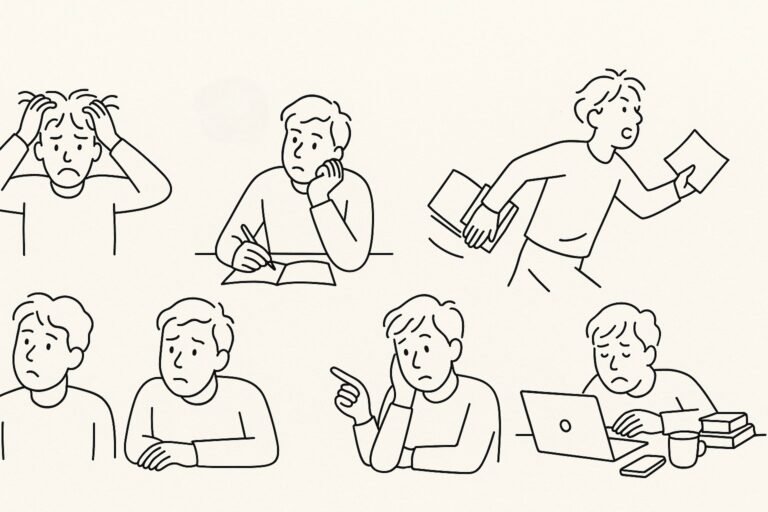
Early changes in behaviour can be quite subtle but may signal the beginning of a more serious condition. You might notice that familiar routines become more challenging, or that tasks you once completed with ease start to feel overwhelming. Observing these shifts early can make a significant difference in managing potential symptoms of schizophrenia.
Notable Shifts in Daily Functioning
Your daily routines may begin to feel disrupted, with activities that once felt effortless now requiring immense effort. Even simple tasks, such as maintaining personal hygiene or completing household chores, might become increasingly difficult. You could find yourself procrastinating more often or struggling to concentrate on work or studies, which can heighten feelings of frustration and inadequacy.
Alterations in Social Interactions
Social connections often take a hit during the early stages of schizophrenia. You might withdraw from friends or family, feeling misunderstood or uncomfortable in social situations. Decreased interest in socialising can lead to isolation, making it harder for you to seek support or express your feelings. This withdrawal may also manifest as a significant change in your response to social cues, such as failing to engage in conversations or showing less enthusiasm in group settings.
As these alterations in social interactions progress, you may notice an increase in misinterpretation of social cues, like perceiving benign comments as critical or hostile. This heightened sensitivity can lead to further withdrawal and misunderstanding. Pay attention to any drastic changes in how you connect with others, as early intervention can provide necessary support and prevent further decline in your social well-being.
Cognitive Clues: Unraveling Thinking Patterns
Cognitive symptoms of schizophrenia can profoundly affect your daily functioning and thought processes. Becoming aware of these changes early can help you seek appropriate support and intervention. Look for shifts in your thinking patterns, as these may manifest in various ways, impacting clarity and coherence in your thoughts.
Distorted Perceptions and Reality
Experiencing distorted perceptions often leads you to encounter the world differently from others. This may include feelings of disconnection or unreachability, where you sense that reality does not align with your experiences. Such perceptions can create a sense of unease, making even familiar surroundings feel foreign or unsettling.
Impaired Concentration and Memory
Struggles with concentration and memory can significantly hinder your ability to function in everyday life. Simple tasks may become overwhelming as your focus wanes, leading to difficulty in following conversations or remembering recent events. This impairment can leave you feeling frustrated and disconnected from usual activities.
Impaired concentration and memory are often seen in the early stages of schizophrenia, affecting your cognitive workload and decision-making skills. You may find that engaging in complex tasks becomes increasingly challenging, with frequent lapses causing confusion. Research indicates that around 25% of individuals may report these symptoms as a precursor to more severe manifestations, underscoring the need for early recognition and management. Addressing these cognitive concerns promptly can make a significant difference in your quality of life and overall mental health management.
Emotional Expressions: Understanding Affective Symptoms
Affective symptoms are integral to the experience of schizophrenia, impacting how you express and perceive emotions. You may notice an inability to respond emotionally to situations that typically evoke strong feelings, or find that your emotional responses seem muted or inappropriate. Such changes can lead to difficulties in relationships and social interactions, highlighting the need for awareness and understanding of these symptoms as part of the schizophrenia spectrum.
The Role of Anhedonia and Emotional Blunting
Anhedonia, the reduced capacity to experience pleasure, often accompanies schizophrenia. You might find activities that once brought joy now feel unfulfilling or entirely lacking in appeal. Emotional blunting can manifest as a diminished ability to express emotions, making genuine connections difficult and leaving you feeling detached from both yourself and others. These experiences can severely impact your overall quality of life and well-being.
Anxiety and Moods: Indicators of Distress
Anxiety often emerges as a prominent symptom of schizophrenia, with many individuals experiencing overwhelming feelings of unease or dread. Your moods may fluctuate unexpectedly, swinging between irritability and profound sadness. This unpredictability can complicate daily functioning and relationships, as others may struggle to understand your emotional state. Recognising these patterns early can facilitate timely intervention and support.
Anxiety disorders can co-occur with schizophrenia, amplifying distress and complicating treatment. Feelings of panic or irrational fears may develop, often triggered by stress or changes in your environment. You may also experience heightened sensitivity to perceived threats, leading to avoidance behaviours. Your ability to cope with stressors might diminish, making even routine tasks feel monumental. Addressing these anxiety symptoms, alongside other schizophrenia symptoms, is imperative for effective management and recovery.
Behavioural Signals: Actions Speaking Louder than Words
Behavioural signals often serve as immediate indicators of developing mental health issues, particularly schizophrenia. You may notice drastic shifts in routine or an increased tendency to retreat into oneself, accompanied by observable changes in mood or reactions. Such actions can be more telling than verbal communication, providing insights into underlying psychological distress.
Withdrawal and Isolation Trends
Patterns of withdrawal and isolation can become evident as individuals begin distancing themselves from friends and family. Social activities that once brought joy may be abandoned, leaving you with a sense of disconnection from your support network. This retreat can manifest as missed gatherings or a preference for solitary activities over group interactions.
Erratic or Unusual Behaviour Patterns
Experiencing erratic or unusual behaviour patterns can be unsettling for both you and those around you. These may include sudden outbursts of anger or inexplicable mood swings, often without clear triggers. Such behaviours can interfere with normal functioning, making relationships and daily tasks more challenging.
Increased instances of irrational behaviour can emerge, characterised by actions that seem out of character or extreme for the situation. For example, you might find yourself engaging in risk-taking activities or displaying disinterest in personal hygiene. These changes can develop gradually, leading others to notice something amiss before you do. The unpredictability of such behaviours can signal deeper issues, necessitating awareness and potential intervention.

Seeking Help: Navigating the Path to Diagnosis
Engaging with mental healthcare professionals can feel daunting, yet it is a pivotal step towards understanding and managing schizophrenia. You may start by consulting a general practitioner, who can conduct preliminary assessments and refer you to a specialist if necessary. Be prepared to discuss your symptoms openly, as accurate information is vital for a timely diagnosis. Early identification leads to better management strategies, ultimately aiding your journey towards recovery.
The Importance of Early Intervention
Acting promptly upon noticing early signs of schizophrenia can significantly impact treatment outcomes. Early intervention typically results in improved prognosis and functionality. Studies indicate that individuals who receive early treatment have higher chances of stabilisation and a reduced risk of relapses. By seeking help sooner rather than later, you can lay a foundation for long-term management and support.
Communicating Concerns Effectively
Expressing your worries clearly helps facilitate a productive dialogue with healthcare providers. Constructing a comprehensive account of symptoms and their impact on daily life enables professionals to understand your situation better. In your discussions, focus on specific instances where you’ve noticed changes in behaviour or thought processes, which can aid in establishing a more accurate diagnosis.
Being direct about your concerns fosters a productive environment for assessment. When discussing symptoms, include details such as frequency, duration, and any related distress you experience. Use tangible examples, like missed work or strained relationships, to illustrate your experiences effectively. This approach not only clarifies your perspective but also empowers healthcare professionals to make informed decisions about your diagnosis and treatment options.
To wrap up
Summing up, recognising the early warning signs and symptoms of schizophrenia can significantly impact your understanding and management of the condition. You may notice changes in your thinking, perception, and behaviour, often manifesting as social withdrawal, unusual beliefs, or a decline in personal care. Being aware of these signs enables you to seek help sooner, fostering a supportive environment for effective intervention and better outcomes.
FAQ
Q: What are the early warning signs of schizophrenia?
A: Early warning signs of schizophrenia may include social withdrawal, unusual behaviour, changes in mood or emotions, decreased functioning in daily tasks, and difficulty concentrating or following conversations.
Q: How can one differentiate between normal teenage behaviour and early signs of schizophrenia?
A: While normal teenage behaviour can involve mood swings and social changes, signs of schizophrenia are more severe and persistent, including hallucinations, delusions, and inability to connect with reality.
Q: At what age do the early symptoms of schizophrenia typically appear?
A: Early symptoms of schizophrenia usually emerge in late adolescence to early adulthood, typically between the ages of 16 and 30, though they can occur earlier or later.
Q: Can early intervention improve outcomes for someone with schizophrenia?
A: Yes, early intervention can significantly improve outcomes for individuals experiencing early signs of schizophrenia, allowing for timely treatment and support that may reduce the severity of symptoms.
Q: What should you do if you suspect someone is showing early signs of schizophrenia?
A: If you suspect someone is showing early signs of schizophrenia, encourage them to seek professional help from a mental health provider for assessment and guidance on the next steps.