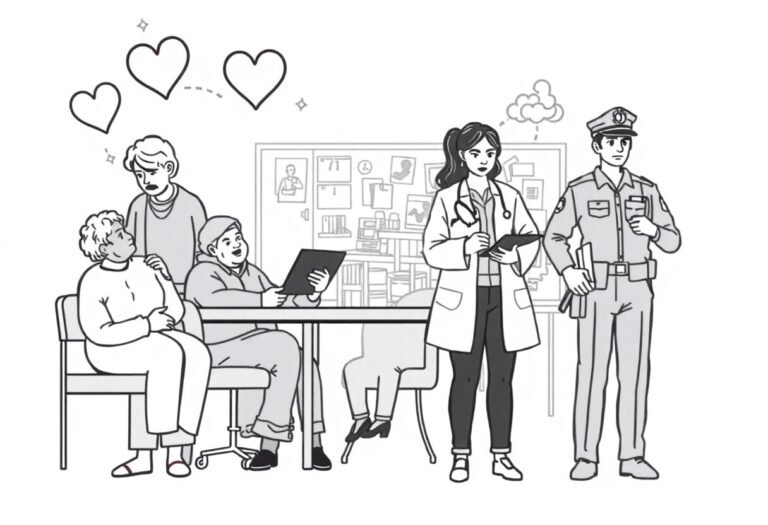

Living Independently with Schizophrenia – Is It Possible?
Just because you have schizophrenia doesn’t mean you cannot lead an independent life. Many individuals successfully manage their condition while living on their own, but it requires awareness of your symptoms and strategies for coping with challenges. With the right support, including therapy and medication, you can create a structured environment that promotes your well-being. It is imperative to recognise potential triggers and seek help when needed, ensuring that you can navigate your daily life effectively and maintain your independence.
Key Takeaways:
- Living independently with schizophrenia is achievable for many individuals through appropriate support and resources.
- Medication adherence and regular psychiatric care play significant roles in managing symptoms effectively.
- Building a strong support network, including family, friends, and mental health professionals, is necessary.
- Developing daily routines and life skills can enhance self-sufficiency and personal well-being.
- Access to community services and rehabilitation programs can provide additional assistance for independent living.
The Reality of Living with Schizophrenia
Living with schizophrenia presents unique challenges that can significantly affect your life. Daily functioning may become complicated, with fluctuations in your mental state influencing your ability to maintain relationships, jobs, and personal care. Effective coping strategies and support networks can mitigate some difficulties, yet the reality of managing symptoms means you must navigate a complex landscape of thoughts and emotions.
How Schizophrenia Impacts Daily Life
Your daily life can be heavily impacted by schizophrenia, as symptoms may interrupt regular activities such as work, socialising, and self-care. Tasks that seem simple for others, like grocery shopping or attending appointments, can feel overwhelming. Anxiety, paranoia, or disconnection from reality can leave you feeling isolated, a sentiment that often leads to increased withdrawal from social interactions.
The Spectrum of Symptoms and their Variability
Schizophrenia encompasses a wide range of symptoms that vary in intensity and manifestation. You may experience positive symptoms like hallucinations and delusions, or negative symptoms such as diminished emotional expression and motivation. This spectrum means that your experience is unique, often shifting over time, leading to unpredictable challenges in everyday life.
Symptoms can fluctuate significantly; for instance, you might have periods of stability interspersed with acute episodes. Positive symptoms, such as experiencing voices or visual distortions, may dominate at times, while negative symptoms like lack of motivation can linger. Longitudinal studies indicate that around 25% of individuals maintain a good level of functioning, emphasising the importance of tailored treatment plans. Understanding your specific symptom profile is crucial, as it informs when to seek additional help or adjust your coping strategies. Creating a supportive environment is equally important to manage these symptoms effectively, encouraging recovery and independence.
Key Factors for Achieving Independence
Achieving independence while living with schizophrenia relies on several key factors. These include a strong support network, effective coping strategies, and personalised care plans. Building relationships with family, friends, and healthcare professionals provides the support you need during challenging times. Establishing routines and engaging in fulfilling activities also play fundamental roles in enhancing your quality of life. Any effort you put into nurturing these elements can lead to greater autonomy and empowerment.
Importance of Early Diagnosis and Continuous Care
Early diagnosis of schizophrenia significantly influences your long-term recovery and ability to live independently. When identified promptly, tailored treatment plans can be implemented, leading to more effective management of symptoms. Continuous care not only supports your mental health but also fosters vital life skills and coping mechanisms that facilitate independence in everyday situations.
Role of Medication and Treatment Compliance
Adhering to prescribed medications is fundamental in managing schizophrenia effectively. Non-compliance can lead to symptom exacerbation and hospitalisation, which disrupts your independence. Maintaining consistency with medication optimises your mental stability, allowing you to engage more fully in daily life. Regular consultations with healthcare providers also help adjust treatment as needed, ensuring it remains relevant to your evolving needs.
Medication compliance often involves establishing a routine that makes it easier for you to remember to take your prescriptions. Using pill organisers or mobile apps can help track doses. Research indicates that individuals who regularly engage with their healthcare teams exhibit more favourable outcomes. By actively participating in discussions about your treatment, you can address any side effects or concerns that may arise, promoting a sense of control over your health. With ongoing support and a commitment to your regimen, you enhance your chances of leading a fulfilling, independent life.
Building a Support System
Creating a robust support system is crucial for managing schizophrenia effectively. This network can provide you with emotional backing, practical advice, and a sense of belonging. Friends, family, and peers can enhance your coping strategies and help you navigate challenges. Engaging with others who understand your journey fosters an environment of empathy and reassurance, helping to combat feelings of isolation.
Engaging Family and Friends
Involving your loved ones in your journey allows them to understand your experiences significantly better. By openly discussing your symptoms and treatment, you encourage familial awareness and empathy. Regular catch-ups or shared activities can uplift your spirit and create a robust safety net, so they can provide support when needed. Your family becomes a vital pillar in maintaining your independence.
Professional Support: Therapists and Support Groups
Seeking professional help is fundamental to your recovery process. Therapists trained in cognitive behavioural therapy (CBT) or psychoeducation can equip you with coping mechanisms tailored to your needs. Moreover, joining support groups allows you to share your experiences with others who face similar challenges, building a sense of community and understanding. Regular sessions with professionals ensure you stay focused on your goals.
Therapists play a key role in your journey toward independence and often recommend group therapy as an effective complement to individual sessions. These groups provide a safe space for sharing experiences and advice, promoting mutual understanding among participants. Studies show that individuals who engage in support groups often report improved mental health outcomes and a greater sense of empowerment. Many cities offer various options, helping you connect with others who share similar challenges and learn coping strategies while building lifelong friendships.
Practical Strategies for Daily Living
Implementing practical strategies can significantly enhance your ability to live independently with schizophrenia. Establishing structured routines helps create predictability in your day, which can mitigate anxiety. Engaging in activities such as cooking, cleaning, and self-care should be integrated into your daily schedule, along with time for relaxation and enjoyment. This balance is crucial for maintaining mental wellness and fostering autonomy.
Daily Routines and Coping Mechanisms
Creating a personalised daily routine empowers you to manage symptoms effectively. Incorporate mindfulness techniques, like meditation or journaling, alongside regular exercise, which has been shown to improve mood and cognitive function. By identifying specific triggers and developing coping mechanisms, such as deep breathing or grounding exercises, you enhance your resilience against potential challenges.
The Role of Technology in Independence
Technology serves as a valuable ally in supporting your independence. Various apps can assist in tracking medication schedules, mood changes, and daily activities, promoting a sense of control. Additionally, online communities provide opportunities for connection and support, allowing you to exchange tips and experiences with others facing similar challenges.
Numerous applications are tailored specifically for individuals with mental health conditions. For instance, Calm Harm has been designed to help you manage urges and implement coping strategies, while MyTherapy helps with medication reminders and health tracking. Such tools not only offer daily assistance but also help build a sense of community through forums and support groups accessible through social media platforms. Embracing these technological innovations can lead to greater autonomy and improved quality of life.
Societal Misconceptions and Their Impact
Misunderstandings surrounding schizophrenia often lead to damaging stereotypes and a persistent stigma within society. These misconceptions can adversely affect your mental health and hinder your opportunities for employment and social integration. The public portrayal of schizophrenia as synonymous with violence and unpredictability has fostered a climate of fear and mistrust, which impacts not only those diagnosed but also their families. Consequently, you may find yourself isolated, battling both your condition and society’s perception.
Breaking Down Stereotypes and Stigma
Challenging the widely held assumptions about schizophrenia is necessary for fostering a supportive community. Education and outreach are vital in creating awareness around the reality of the disorder. Promoting accurate representations through media and educational programmes can significantly help in eliminating prejudice and avoidance.
- Stereotypes often portray individuals with schizophrenia as dangerous.
- Stigma leads to social isolation and discrimination in various aspects of life.
- Public misconceptions can negatively influence mental health policies.
- Awareness campaigns aim to provide factual information about schizophrenia.
- Perceiving schizophrenia through the lens of a personal story can foster empathy.
| Misconception | Reality |
| All individuals with schizophrenia are violent | Most are non-violent and can live peacefully |
| Schizophrenia is curable | It is manageable with proper treatment |
| Those with schizophrenia cannot work | Many lead fulfilling professional lives |
| Schizophrenia only affects the individual | It impacts families and communities as well |
Fostering Understanding and Acceptance
Encouraging understanding and acceptance is pivotal for those living with schizophrenia. Initiatives that promote open dialogue can bridge the gap between your experience and societal perceptions. Educational workshops and community events tailored to share stories can demystify the disorder, facilitating connections that promote empathy and support.
Implementing programmes that focus on interactive learning can significantly reduce stigma and encourage acceptance. Initiatives like local support groups or public speaking events help you share your narrative and bring forth your perspective. Research indicates that communities engaged in active discussions concerning mental health issues often report higher levels of inclusivity, which creates a more supportive environment for you and others facing similar challenges.
Conclusion
The possibility of living independently with schizophrenia hinges on your commitment to effective management strategies, including medication, therapy, and support networks. Understanding your condition and recognising your triggers play a significant role in fostering stability. While challenges may arise, developing coping mechanisms and utilising available resources can empower you to achieve a fulfilling and independent life. It is imperative to remain proactive in your treatment and seek assistance when needed, ensuring you create a balanced environment that nurtures your well-being.
FAQ
Q: Can individuals with schizophrenia live independently?
A: Yes, many individuals with schizophrenia can live independently. With appropriate treatment, such as medication and therapy, as well as a strong support system, they can manage their symptoms effectively. Independent living may require developing coping strategies and life skills.
Q: What types of support can help in living independently with schizophrenia?
A: Support can come in various forms, including mental health services, peer support groups, vocational training, and assistance with daily living skills. Family and friends can also provide emotional support and practical help as needed.
Q: Are there specific challenges faced by those living independently with schizophrenia?
A: Yes, individuals may encounter challenges such as managing symptoms, maintaining relationships, employment difficulties, and handling everyday tasks. Awareness of these challenges can help in planning and seeking appropriate support.
Q: What role does medication play in independent living for someone with schizophrenia?
A: Medication is often vital in managing schizophrenia symptoms. Consistent adherence to prescribed treatment can significantly enhance an individual’s ability to live independently by reducing episodes of psychosis and improving overall functioning.
Q: How can family and friends assist someone with schizophrenia in achieving independent living?
A: Family and friends can help by providing emotional encouragement, assisting with practical tasks such as budgeting or grocery shopping, and facilitating access to mental health resources. Their understanding and involvement can significantly contribute to the individual’s independence.