
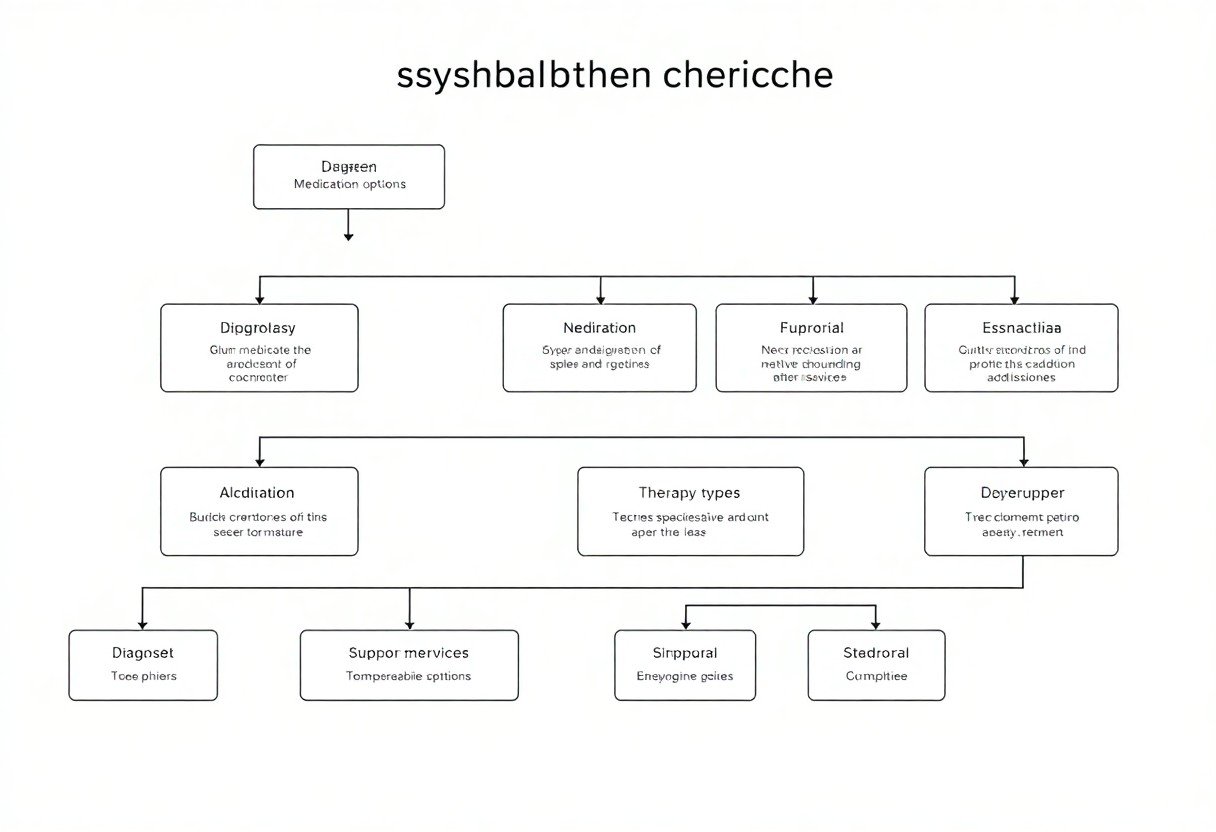
Treatment Pathways for Schizophrenia in the UK
There’s a diverse range of treatment pathways available for you if you or a loved one is affected by schizophrenia in the UK. These pathways are designed to provide comprehensive support, combining medication, psychotherapy, and community services to enhance your quality of life. Early intervention is vital, as it can lead to better outcomes. Understanding the various options enables you to collaborate effectively with healthcare professionals and seek the most suitable treatment tailored to your needs.
Key Takeaways:
- Early intervention services play a vital role in improving outcomes for individuals with schizophrenia.
- A combination of antipsychotic medication and psychosocial therapies is often most effective.
- Personalised treatment plans are necessary, taking into account the individual’s needs and preferences.
- Regular monitoring and follow-up care are necessary to manage symptoms and reduce the risk of relapse.
- Collaboration between healthcare professionals, patients, and families enhances the support system and treatment success.
Navigating the NHS Framework for Schizophrenia Treatment
Your journey through the NHS framework for schizophrenia treatment involves a series of structured steps, ensuring you receive appropriate care tailored to your needs. Initially, access to mental health services typically begins with your GP, who can assess your symptoms and refer you to specialist services. The framework prioritises multidisciplinary approaches, integrating medication, therapy, and support networks to create a comprehensive treatment plan that aims for long-term recovery and improved quality of life.
The Role of Primary Care in Early Intervention
Primary care serves as the first point of contact within the NHS for individuals experiencing mental health issues, including schizophrenia. Your GP’s ability to recognise early symptoms is crucial, as prompt referral to mental health services can significantly improve your prognosis. Through early intervention, you may benefit from the administration of antipsychotic medications and therapeutic support before the condition exacerbates, potentially preventing hospitalisation.
Specialist Services: From Assessment to Ongoing Care
Once referred to specialist services, a comprehensive assessment is conducted to tailor your treatment plan. Collaboration among psychiatrists, psychologists, and community mental health teams ensures that various aspects of your condition are addressed. Following assessment, you engage in ongoing care that combines medication management with psychological therapies and social support, facilitating a stable recovery phase while monitoring potential relapses.
Accessing specialist services means you are provided with a multidisciplinary team that focuses on your individual needs. Following an initial assessment, you might receive a personalised care plan that includes regular follow-ups and adjustments to treatment based on your progress. For instance, therapy sessions may involve cognitive behavioural therapy (CBT) or family intervention, which have proven effective in managing symptoms. These ongoing services are crucial for preventing relapse and fostering your independence, enabling you to lead a more fulfilling life despite the challenges of schizophrenia.
Personalising Treatment: The Individual Needs Approach
Personalising treatment for schizophrenia requires an understanding of your unique circumstances, preferences, and overall mental health history. This individual needs approach ensures that your therapy is tailored to your specific symptoms and lifestyle, facilitating a more effective recovery journey. Incorporating discussions about your experiences and outcomes leads to a more engaging and supportive treatment process.
Tailoring Medication: Finding the Right Antipsychotics
Finding the right antipsychotic medication is vital for your treatment success. Given the variety of medications available, doctors often prescribe multiple options to assess which works best for you. Factors such as side effects, effectiveness, and personal preferences significantly influence this decision. You may experience varying degrees of relief with different medications.
- Individual response to treatment can vary significantly.
- Some antipsychotics come with weight gain or sedation side effects.
- Your doctor may try multiple medications before finding the right one.
Recognising that no single medication fits all requires a collaborative approach involving you and your healthcare team to monitor progress and adapt prescriptions as necessary. Your active engagement in this process can also lead to more positive outcomes.
Complementary Therapies: Integrating Psychological Support
Integrating psychological support through complementary therapies can greatly enhance your overall treatment plan. These methods, such as cognitive behavioural therapy (CBT) and mindfulness techniques, provide additional coping mechanisms to manage symptoms and reduce stress. They often address underlying issues that medication alone may not tackle, thus offering a more rounded approach to your well-being.
Complementary therapies like CBT have proven effective in helping you understand your thoughts and feelings, enabling better management of your symptoms. Engaging in mindfulness and relaxation techniques can diminish anxiety and improve daily functioning. Regularly participating in support groups also helps you connect with others facing similar challenges, fostering a sense of community and shared understanding. By combining medication with these supportive therapies, you can enhance your resilience and improve your mental health outcomes significantly.
Charting the Course: Evidence-Based Practices in Treatment Pathways
Utilising evidence-based practices ensures that treatment pathways for schizophrenia are both effective and tailored to individual needs. A multidisciplinary approach combines pharmacological interventions with psychological therapies and social support, enhancing overall quality of life. This framework not only addresses symptoms but also fosters recovery through community integration and personalised care plans, leading to improved outcomes in managing the condition.
The Impact of Cognitive Behavioural Therapy (CBT)
Cognitive Behavioural Therapy (CBT) has shown significant efficacy in managing symptoms of schizophrenia by helping you identify and challenge distorted thinking patterns. Research indicates that up to 50% of patients experience reduced positive and negative symptoms through CBT interventions, enhancing adherence to medication and improving coping strategies. This therapeutic approach works alongside medication to foster resilience and empower you in the recovery process.
Long-Term Management Strategies and Outcomes
Effective long-term management of schizophrenia incorporates regular monitoring, medication adherence, and ongoing psychosocial support. Studies suggest that over 70% of individuals who engage in structured long-term care programmes demonstrate significant improvement in their functional capabilities and overall well-being. Establishing stable routines and access to community resources creates a sustainable support system that greatly enhances resilience against relapses.
Long-term management strategies encompass a holistic approach, including medication optimisation and psychotherapy, aimed at not just symptom relief but also achieving functional recovery. Engagement in support groups and skill-building activities can further equip you with the tools needed for daily challenges. Regular follow-ups with healthcare providers ensure that any emerging issues are swiftly addressed, facilitating a smoother transition back into everyday life. This commitment to a comprehensive management plan reflects a significant advancement in care, paving the way for better quality of life and diminishing the impact of schizophrenia on daily functioning.

The Patient’s Perspective: Voices from the Ground
Hearing from those who have experienced schizophrenia firsthand provides invaluable insights. Patients often describe their journeys through the maze of symptoms, treatment options, and the emotional weight that comes with the disorder. Sharing personal stories not only fosters understanding but also highlights the diversity of experiences that shape how individuals navigate their treatment pathways. You’ll find that each voice adds richness to the conversation about mental health, showing both the hardships and the hopes that come with managing schizophrenia.
Testimonials: Real-Life Experiences of Treatment
Testimonials from individuals living with schizophrenia reveal the varied impact of treatment options. Some express how early intervention and therapy provided them with tools to manage symptoms effectively, while others share struggles faced with medication side effects. Real-life experiences underscore the significance of tailored approaches, emphasising that what works for one person may not work for another. These narratives bring to light the personal aspects of recovery, illustrating both triumphs and challenges inherent in the journey.
The Importance of Patient Involvement in Decision-Making
Active participation in treatment decisions fosters a sense of ownership and agency in your recovery. Patients who engage in discussions with healthcare providers often report higher satisfaction with their care and improved outcomes. You might find that when healthcare professionals listen to your needs, concerns, and preferences, the treatment plan is more likely to align with your lifestyle and goals. This collaborative approach facilitates better adherence to prescribed treatments and can significantly enhance your overall well-being.
Your involvement in decision-making not only encourages open communication with healthcare providers but also promotes a holistic view of your health. By discussing your preferences regarding medication types, therapy styles, and support services, you help create a customised treatment plan that reflects your unique needs. This process can lead to greater satisfaction as you navigate through the potential challenges of schizophrenia. Furthermore, as evidenced by studies, patients who take an active role in their care often demonstrate better adherence to treatment regimens, thereby enhancing their chances of recovery.
Barriers to Optimal Care: Challenges within the System
Numerous barriers obstruct optimal care for individuals with schizophrenia, significantly affecting treatment pathways. Limited funding, insufficient mental health professionals, and lack of coordination among services contribute to fragmented care, making it challenging for you to navigate the system effectively. The complexity of these challenges often results in delayed treatment and heightened distress for patients and their families.
Stigma and Misconceptions Surrounding Mental Health
Stigma surrounding mental health often leads to misconceptions that haunt those affected by schizophrenia. You may find that societal perceptions result in discrimination, causing reluctance to seek help. This misunderstanding not only isolates individuals but also perpetuates fear and misinformation, intensifying the challenges faced in accessing appropriate care.
Access Issues and the Weight of Resource Allocation
Access to care is frequently compromised by the unequal distribution of resources within mental health services. Your experience may vary significantly based on geographical location, with some areas facing overwhelming demand yet limited services, resulting in long waiting times. Research indicates that nearly 75% of individuals with schizophrenia do not receive adequate care at the right time, highlighting systemic failures in resource allocation.
In many regions, budget constraints lead to prioritising immediate emergency responses over long-term support and preventative measures, often resulting in insufficient community mental health services. You might encounter situations where local authorities struggle to provide comprehensive services due to high demand and inadequate funding. This not only exacerbates the challenges in accessing consistent treatment but also affects continuity of care, as patients bounce between crisis intervention and minimal follow-up support. Consequently, the lack of robust pathways leads to poorer outcomes and a cycle of unmet needs for those living with schizophrenia.
To wrap up
Presently, understanding the treatment pathways for schizophrenia in the UK is imperative for managing your condition effectively. You have access to a range of services, including community mental health teams, inpatient care, and specialised therapies. It is vital to engage in regular consultations with healthcare professionals to tailor your treatment plan, ensuring it meets your needs. By being proactive in your care and exploring various options, you can significantly improve your quality of life and overall wellbeing.
FAQ
Q: What are the primary treatment pathways for schizophrenia in the UK?
A: The primary treatment pathways include assessment by mental health professionals, medication management using antipsychotics, psychological therapies such as cognitive behavioural therapy, and social support services. Treatment is tailored to individual needs and may involve multidisciplinary teams.
Q: How are medications for schizophrenia prescribed in the UK?
A: Medications are typically prescribed by psychiatrists following a thorough assessment. First-line treatment often includes atypical antipsychotics, with regular monitoring for side effects and effectiveness. Adjustments to medication may occur based on the patient’s response.
Q: What role do psychological therapies play in treating schizophrenia?
A: Psychological therapies, including cognitive behavioural therapy (CBT), help patients manage symptoms, cope with stress, and improve social functioning. These therapies are offered alongside medication and are tailored to address individual challenges associated with the disorder.
Q: How is support provided to families of individuals with schizophrenia?
A: Families are offered support through education about the condition, access to support groups, and guidance on managing crises. Services aim to enhance communication and understanding, ensuring families can assist their loved ones effectively.
Q: What is the role of community mental health teams in the treatment of schizophrenia?
A: Community mental health teams (CMHTs) provide ongoing support, treatment, and rehabilitation for individuals with schizophrenia. They offer a range of services, including home visits, group therapy, and assistance with social integration, aiming to promote recovery and independence.