What Counts as Trauma? Causes of PTSD Beyond Combat
It’s crucial to understand that trauma can stem from various experiences, not just combat situations. PTSD can affect anyone, manifesting after events such as accidents, natural disasters, or personal assaults. Your emotional reactions to these experiences can lead to long-lasting psychological effects, impacting your daily life and relationships. Recognising the broad spectrum of trauma can help you seek appropriate support and understanding for your mental health.
Key Takeaways:
- Trauma can arise from various non-combat situations, such as accidents, natural disasters, and personal assaults.
- Witnessing violence or experiencing the sudden loss of a loved one can lead to PTSD.
- Childhood trauma, including neglect or abuse, has long-lasting effects and can contribute to PTSD in adulthood.
- Medical trauma, including serious illness or invasive procedures, can also trigger symptoms of PTSD.
- Survivors of sexual assault often experience PTSD, affecting their mental health and daily functioning.
- Vicarious trauma can occur in professionals, such as first responders or therapists, exposed to the trauma of others.
- Understanding the diverse causes of PTSD is vital for providing appropriate support and intervention.
Beyond the Battlefield: Everyday Experiences that Lead to PTSD
Trauma can occur in a myriad of everyday situations, well beyond the confines of war. Events such as car accidents, natural disasters, or even serious medical diagnoses can trigger PTSD. The impact of these experiences can be profound, leading to lasting psychological scars that may affect your daily life. Understanding that trauma is not exclusive to combat scenarios is important for recognising its prevalence and fostering empathy towards those who suffer from it.
Sudden Loss and Grief: The Unforeseen Triggers
The sudden death of a loved one can strike without warning, leaving you in a state of shock and despair. Events such as accidents or unexpected health issues can serve as *unforeseen triggers*, resulting in an inability to process the grief properly. This overwhelming sorrow might manifest as PTSD symptoms, including intrusive thoughts and heightened anxiety. The complexity of grief can lead to a struggle that is not only emotional but profoundly psychological.
Surviving Personal Assault: A Silent Epidemic
The experience of personal assault is a pervasive issue that often goes unreported. Many individuals who endure these traumatic events face a daunting path to recovery. The psychological consequences can include *anxiety, depression,* and a debilitating sense of fear. With statistics revealing that nearly one in five women and one in seventy-one men in the UK experience sexual assault at some point in their lives, awareness and understanding of the trauma are desperately needed to support survivors.
Survivors of personal assault frequently grapple with a range of emotions, including shame and guilt, which can hinder their willingness to seek help. *The stigma surrounding sexual violence contributes to the isolation of many survivors, preventing open discussions about their experiences.* Therapeutic intervention can be a vital step towards healing, yet cultural taboos often discourage victims from speaking out. Strengthening support systems and fostering a safe environment for sharing stories can be transformative, allowing survivors to reclaim their narrative and begin the journey toward healing.
The Emotional Aftermath: Understanding the Impact of Trauma
The effects of trauma can ripple through every aspect of your life, altering perceptions, relationships, and emotional stability. Symptoms like anxiety, depression, and emotional numbness may emerge, leaving you feeling isolated and adrift. The aftermath often manifests in physical symptoms as well, such as chronic pain and fatigue, demonstrating how deeply trauma can affect both mind and body. Engaging in daily activities may become overwhelming, creating a persistent struggle that can last long after the traumatic event has passed.
How PTSD Manifests Beyond Military Contexts
PTSD can affect anyone, regardless of the context in which trauma occurs. Common scenarios include surviving a serious car accident, experiencing domestic violence, or enduring natural disasters. You might find intrusive memories or intense emotional reactions to reminders of these events, which disrupt your daily life. The societal stigma surrounding PTSD often leads to misunderstanding and minimisation of these experiences, though the emotional toll remains significant.
The Role of Resilience and Coping Mechanisms
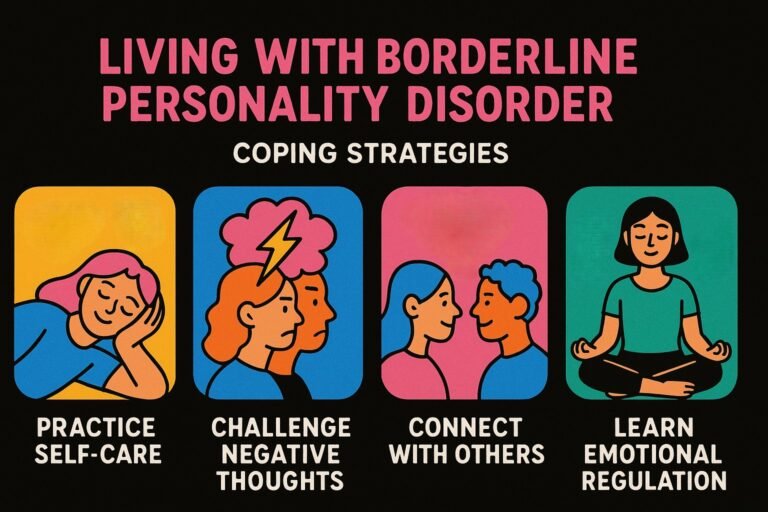
Your ability to bounce back from trauma is influenced by resilience and the effectiveness of your coping mechanisms. Strong social support, healthy lifestyle choices, and adaptive coping strategies can mitigate the emotional fallout of trauma. Adopting mindfulness practices or engaging in therapy can enhance your resilience, equipping you with tools to process and manage your experiences. Those who actively seek to understand their trauma and develop coping strategies are often better positioned to heal and reclaim their lives.
Exploring resilience involves recognising that it isn’t a fixed trait but a dynamic quality that can be cultivated. Engaging with supportive friends or family can significantly enhance your coping capacity. Studies have shown that connecting with others who have experienced similar trauma fosters emotional healing. Additionally, participating in activities that promote personal growth, such as volunteering or pursuing hobbies, can reinforce your sense of agency and purpose. The blend of strong support networks and proactive coping tactics paves the way toward recovery and emotional well-being.
Unpacking Secondary Trauma: The Unseen Burden
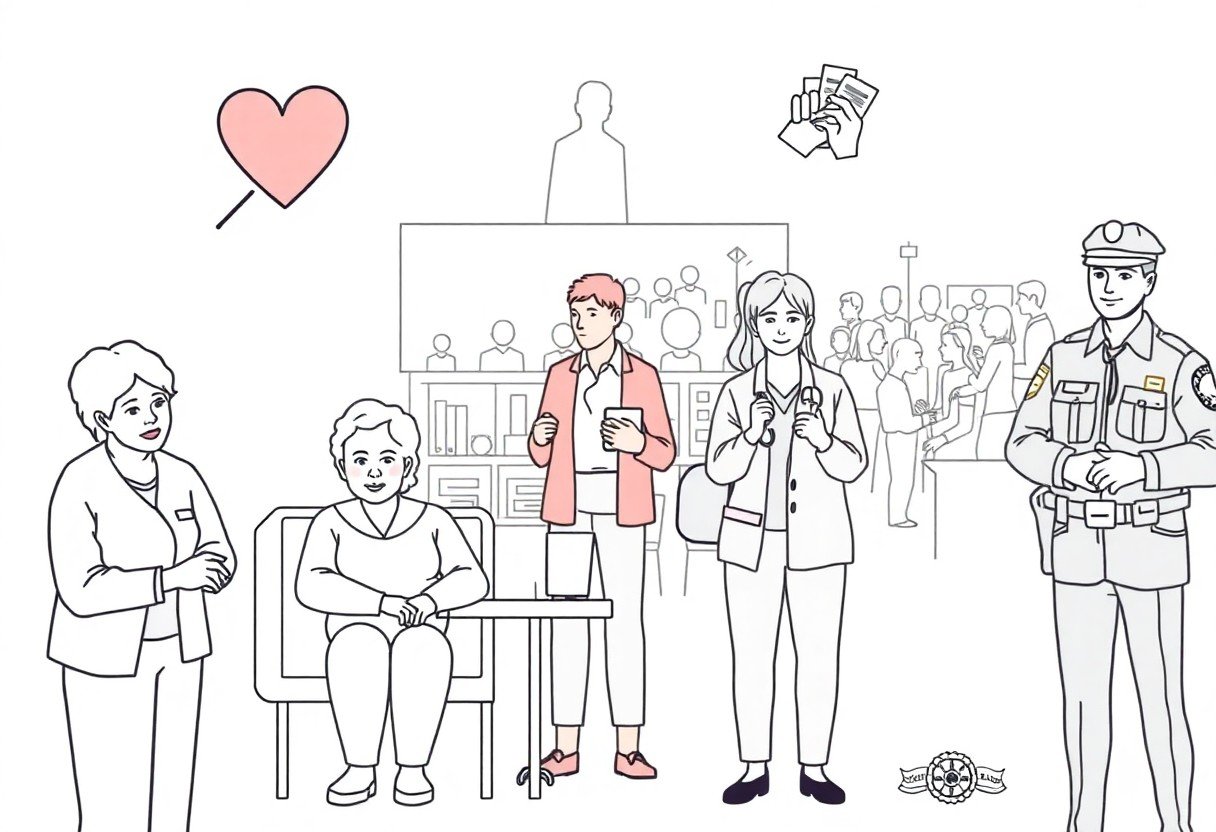
Secondary trauma, also known as vicarious trauma, manifests when you absorb the trauma experienced by others, leading to emotional and psychological distress. This burden often affects those in caregiving roles, including therapists, emergency responders, and support workers, who bear witness to the suffering of others. Over time, your compassion may wane, resulting in feelings of helplessness, anxiety, and even depression, often without you realising the cause. Understanding this pain is vital for fostering resilience and managing your wellbeing amidst the hardship faced by those you support.
Compassion Fatigue: When Caregivers Carry the Weight
Compassion fatigue arises when you find your ability to empathise and provide support diminished due to constant exposure to others’ suffering. It often leads to emotional exhaustion, cynicism, and a reduced sense of personal accomplishment. As you continue to care for others, the toll on your mental health can be profound, causing a disconnect from your own feelings and potentially impairing your professional performance.
Vicarious Trauma: The Ripple Effects of Exposure
Vicarious trauma shapes your mindset and emotional state, altering how you interact with the world around you. Exposure to the traumatic experiences of others can lead you to internalise their pain, affecting your beliefs, assumptions, and overall worldview. For instance, therapists and social workers may develop a heightened sense of vulnerability, feeling a persistent fear for their own safety and that of their loved ones. The impact of vicarious trauma can extend beyond the workplace, influencing your personal relationships and overall quality of life.
Breaking the Stigma: Understanding PTSD in Different Contexts
Addressing the stigma surrounding PTSD requires a nuanced understanding of its manifestations across various contexts. You may encounter individuals whose trauma roots lie not just in combat but also in personal loss, abuse, or even systemic violence. Recognising the diverse origins of PTSD helps dismantle the stereotype that trauma is exclusive to certain experiences, fostering a more inclusive dialogue. Such awareness empowers you to support those affected effectively and challenge societal misconceptions.
The Gender Lens: How Trauma Affects Men and Women Differently
Gender plays a significant role in how trauma is experienced and expressed. You might notice that while men often exhibit symptoms through anger or substance abuse, women may show heightened anxiety and emotional distress. This disparity can lead to differing coping mechanisms, resulting in varied therapeutic needs. Understanding these differences aids in providing appropriate resources and support tailored to individual experiences.
Cultural Perspectives: Trauma and Its Interpretation Across Societies
Trauma is interpreted through the lens of cultural beliefs and societal norms. Your understanding of trauma may shift significantly when you consider how various cultures define and respond to distressing experiences. Some societies may embrace collective healing practices, while others might encourage stoicism, affecting individual responses and treatment approaches.
Diverse cultural perspectives can significantly influence the understanding of trauma. For instance, in some Indigenous communities, trauma is often viewed as a communal issue, necessitating collective healing strategies that include rituals and storytelling. In contrast, Western societies may prioritise individual treatment, focusing on personal therapy and medication. Key findings suggest that these cultural attitudes can impact recovery outcomes; studies show that culturally-informed approaches improve engagement with mental health services. Exploring these variations not only broadens your understanding but also highlights the importance of culturally sensitive interventions in addressing PTSD.
Pathways to Healing: Innovative Approaches to Recovery
Exploring innovative avenues for recovery opens up new possibilities for those grappling with PTSD. Approaches such as mindfulness, art therapy, and virtual reality exposure therapy offer immersive techniques that engage the mind and body. These methodologies not only help in processing trauma but also foster resilience, allowing you to reclaim control over your life and emotional landscape.
Evidence-Based Therapies: What Works Beyond the Conventional
Therapies like Eye Movement Desensitisation and Reprocessing (EMDR) and cognitive behavioural therapy (CBT) have shown significant effectiveness in reducing PTSD symptoms. With a focus on restructuring thought patterns and emotional responses, these therapies enable you to confront painful memories and engage in healthier coping mechanisms. Evidence suggests that incorporating these methods leads to lasting positive outcomes for many survivors of trauma.
The Power of Community and Social Support Systems
Community and social support systems play a pivotal role in your healing journey. Connecting with others who share similar experiences fosters understanding and validation, which can be profoundly comforting. Support groups, peer mentoring, and community outreach initiatives create an environment where you can freely express emotions and receive guidance, facilitating a sense of belonging and empowerment.
Many studies have highlighted the efficacy of social connections in enhancing recovery rates for individuals dealing with PTSD. For instance, being part of a community group can increase your resilience by 30%, according to recent findings. Engaging in shared activities and collective coping strategies reduces feelings of isolation and encourages openness, fostering an atmosphere where healing can thrive. By participating in a supportive network, you nurture not just your recovery but also contribute to the healing of others, reinforcing a cycle of resilience and solidarity.
Final Words
As a reminder, trauma can arise from various experiences beyond combat, including accidents, abuse, or sudden loss. You may not realise how deeply these events affect your mental health and can lead to PTSD. It is crucial to recognise that your reactions are valid and that seeking support is a vital step towards healing. Understanding the diverse causes of trauma empowers you to address your experiences with compassion and to pursue appropriate help when necessary.
FAQ
Q: What are the different types of trauma that can lead to PTSD?
A: Trauma that can lead to PTSD includes emotional abuse, physical assault, sexual abuse, accidents, natural disasters, and witnessing violence or death. These experiences can overwhelm an individual’s ability to cope, resulting in lasting psychological effects.
Q: Can childhood experiences contribute to PTSD later in life?
A: Yes, adverse childhood experiences such as neglect, emotional or physical abuse, or the loss of a parent can significantly affect mental health in adulthood. These early traumas can be foundational in developing PTSD or other mental health disorders later on.
Q: How can non-combat related events cause PTSD?
A: Non-combat events such as serious accidents, sudden bereavement, or being involved in a crime can be just as traumatic as combat experiences. The intensity of the emotional response to these events can lead to symptoms of PTSD.
Q: Are there cultural differences in experiencing trauma?
A: Yes, cultural background can influence how individuals perceive and react to trauma. Different cultures have varying beliefs about mental health, which can impact whether someone seeks help or how they cope with traumatic experiences.
Q: Is it possible to develop PTSD from secondary exposure to trauma?
A: Yes, individuals who are closely connected to someone who has experienced trauma can develop PTSD. This is known as vicarious trauma and can occur in professionals such as first responders or therapists who are frequently exposed to others’ traumatic experiences.